In the city that never sleeps, textiles tell a softer story. Knitwear, once the quiet backbone of winter wardrobes, has ascended into the realm of everyday luxury that NYC residents wear with the same ease as the subway map on a brisk morning. From the mezzanine of a cobblestone boutique to the sunlit corner atelier, a new generation of knit-focused brands is redefining the way we collect warmth—driven by craft, provenance, and the poise of urban life.
This feature drifts through the confluence of two worlds: the tactile intimacy of fiber in the home and the high-gloss finish of fashion, anchored by distinctly New York sensibilities. We spotlight the harmony between heritage mills and contemporary design, where heritage blankets and refined outerwear become interchangeable pieces of a modern lifestyle. As the city evolves, so too does the language of knitwear—more sustainable, more locally minded, and more attuned to daily rituals that weave comfort into the fabric of city living.
Origins and Material Choices: The Threads That Bind
New York’s knitting story is not penned in one place but stitched across continents and back. The city respects a long craft tradition, yet it embraces innovation that travels from field to fiber to finished garment. The backbone of many NYC knit iterations lies in fibers that balance warmth, weight, and feel. You’ll encounter blends that read as luxurious but wear as practically as your favorite denim jacket.
Common fibers you’ll hear about include organic cottons cultivated in certified facilities, merino and cashmere blends for that plush hand, and wool that carries a traceable lineage from sheep to sleeve. The sourcing narrative matters as much as the silhouette. The most compelling pieces trace a loop: where the fiber originates, how it’s spun, who crafts the fabric, and where the final garment is assembled. In this city, transparency in supply chains is a statement of sophistication, not merely a trend.
Consider a jacket or throw that embodies a circular design ethos. A limited-edition piece crafted from upcycled materials speaks volumes about a brand’s stance on waste, reuse, and responsible production. These moments give knitwear a dimension beyond warmth: they become a meditation on modern luxury grounded in ethical practice.
Market Context and Urban Lifestyle: The Knit as Everyday Ritual
NYC life is a study in contrasts—high-rise apartments and sidewalk wardrobes, curated minimalism and maximalist textures. Knitwear in this ecosystem is not only about outerwear but about how warmth integrates with movement: on commutes, at museum salons, in cafe-lined avenues where conversations drift between design and craft. The knit is part of an urban ritual—layering for weather shifts, comfort during long workdays, and personal expression that speaks without shouting.
Brand voices in this category emphasize durability, tactile richness, and a sense of place. They celebrate the quiet craftsmanship that makes a cardigan feel timeless and a quilted jacket feel uniquely New York. The result is knitwear that doesn’t merely mimic fashion but inventory a lifestyle: an approach to living that honors warmth, texture, and the small joys of a well-made garment.
Profiles in Craft: Three Key Individuals Across Time
Across decades, three visionaries—each distinct in era—have helped knit together the narrative of NYC’s contemporary approach to crafting wearables and home textiles. Their legacies illuminate how design, industry, and culture converge in the city’s fabric ecosystems.
1) The Pioneer of Modern American Knit: Anne Burlingame (1900s–1940s)
In the early 20th century, New York was a crucible for mass textile production and couture experimentation. Anne Burlingame rose as a design innovator who bridged artisanal knitting techniques with emerging manufacturing technologies. Her work in functional yet refined knitwear helped set the stage for American brands that valued both comfort and sophistication. Burlingame’s philosophy centered on fiber honesty—knowing exactly where a yarn originated, how it was spun, and how the final fabric would wear over time. Her impact is visible in the patient construction of classic cardigan shapes, the judicious use of texture to convey luxury, and the belief that knitwear could be as durable as it is delightful.
2) The American-Craft Revivalist: Sylvia Levine (1970s–1990s)
Decades later, Sylvia Levine became emblematic of a revival where craft and fashion intersected with a new urgency for ethical production. Based in Manhattan’s garment district, Levine championed small-batch production, traceable fibers, and local workshops. Her collaborations with New York-based mills produced knitwear that read as artisanal, yet performed with modern resilience. Levine’s work taught a generation to value the texture of hand-touched pieces and to seek fabrics that age gracefully. Her influence persists in the way contemporary NYC brands embrace storytelling around fiber provenance and the human hands that bring a fabric from skein to sleeve.
3) The Contemporary Studio Leader: Maya Chen of Downtown Company (2000s–present)
In the current era, Maya Chen’s leadership at Downtown Company exemplifies a New York redirection toward elevated everyday textiles. Her approach fuses European knitting tradition with American practicality, producing blankets, throws, and lightweight knits that are both tactile and versatile. Chen’s philosophy prioritizes sustainable sourcing, with textiles manufactured in Portugal and India under strict quality and environmental standards. The resulting pieces carry a cosmopolitan aura—accessible, luxurious, and designed for daily life in a city where space is precious and style is a conversation starter. Chen’s work underscores how NYC brands are redefining knitwear as a seamless blend of home comfort and wardrobe elegance.
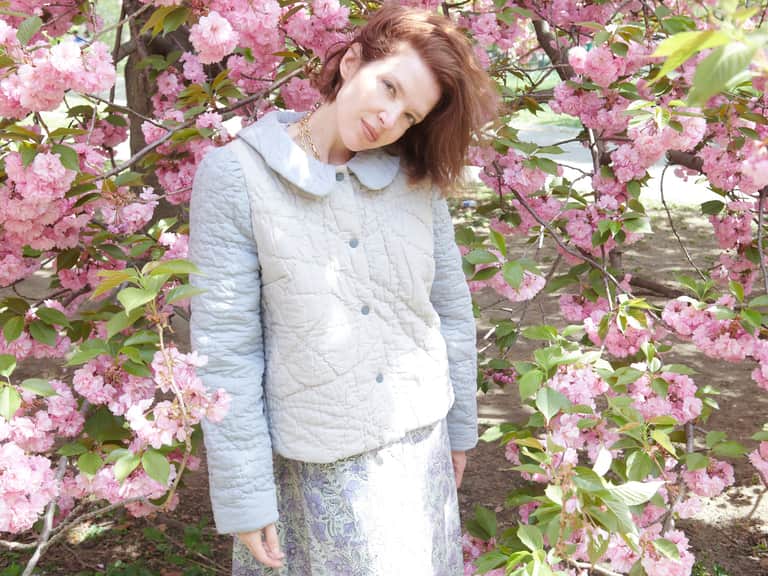
Showcasing a Signature Piece: Batsheva x Coyuchi Quilted Jacket

Batsheva x Coyuchi Quilted Jacket
Limited-edition upcycled jacket crafted from repurposed Coyuchi quilts and shams, handmade in New York. Each piece is unique in pattern and composition, reflecting a circular approach to luxury textile design.
Material: Shell: 100% upcycled organic cotton quilts and shams; Lining: 100% upcycled organic cotton percale sheets
Origin: Made in New York, USA
Care: Machine wash cold on gentle cycle; tumble dry low; warm iron if desired
Price: $498.00
Sourcing Stories: A Brooklyn-to-Italy Thread
Beyond glamour photos, the true story of NYC knitwear is woven through the places where materials are grown, spun, and stitched. A notable thread runs from New York to Europe, where mills in Portugal and Italy craft fabrics that NYC designers then transform into wearable pieces. These cross-continental relationships are not just logistical conveniences; they reflect a shared language of quality—where the drape, weight, and hand feel of a knit communicate a brand’s personality as effectively as a runway silhouette.
Editorial Habitat: The Knit as Artful Living
Knitwear in NYC has aesthetic gravity because it sits at the intersection of comfort and ceremony. A throw on a sunlit sofa can feel like a curated art object; a jacket can be a daily uniform with the swagger of a couture piece. The conversation around knitwear now embraces sustainable luxury, where upcycled fabrics and responsibly sourced fibers become the new standard. In this climate, knitwear is less about scarcity and more about curated abundance—pieces chosen for longevity, story, and the joy of owning something that ages with grace.
A Peek at the Product Closet: The Flo Scarves and Beyond
We glimpse the sensibility of NYC knit culture through a few exemplary items that epitomize urban luxury. The Flo Scarf, a timeless blend of cashmere (70%) and silk (30%), is produced in Italy for a warmth that feels like a private conversation with your wardrobe. Its weight, drift, and sheen embody the quiet confidence of New York evenings—soft, enveloping, and enduring. Layer it with a Coat of city-chic or wear it casually over a lightweight knit for a look that feels effortless yet meticulously curated.
In the same spirit of thoughtful luxury, the Cardigan Pillow offers a smaller, intimate form of comfort that travels between living rooms and sleeping nooks. Crafted with a goose-down fill and a breathable cotton batiste shell, it exudes the same city-sophistication as a perfect throw, but focused on ergonomic calm for lounging or reading. These pieces illustrate how the NYC knit narrative expands beyond garments to encompass home textiles that elevate daily rituals with texture and warmth.
Care, Craft, and Longevity: The NYC Promise
The modern New York knit is built to last, with an emphasis on care that protects texture and fiber integrity. Care guides are not afterthoughts but part of the design language: gentle machine washes, air drying when possible, and instincts about fiber naturalities. A true NYC knit invites you to treat it well, so it treats you well in return. The city’s brands celebrate this mutual respect—crafting pieces that age beautifully, gathering character with every season, rather than chasing disposable trends.
A Ledger of Local Makers: The Future of NYC Knitwear
The future of NYC knitwear is not a single path but a constellation of small studios, family workshops, and bold disruptors. It is a landscape where designers collaborate with mills that prioritize circular design, where upcycling is not a novelty but a norm, and where urban audiences demand authenticity as much as aesthetics. In this ecosystem, the knit is not a mere product; it is a gesture—an invitation to slow down, feel the texture, and enjoy a garment or textile that tells a story of place, patience, and presence.
Sustainability as Signature
Upcycled jackets and responsibly sourced fibers anchor a modern luxury narrative, turning waste into wonder without compromising on design integrity.
City-Driven Craft
New York’s unique tempo—its studios, ateliers, and brick-and-mortar shops—fuses craft with contemporary living, creating knitwear that is as relevant at a gallery opening as it is at a Sunday market.
Related Editorial
Aloft in Wool: The Architecture of Cozy
An exploration of how textile design intersects with architectural interiors to create rooms that feel warm and expansive at once.