Textile guide · Throws & blankets
How Coyuchi Cotton Throws Differ in Weave, Weight, and Care
A cotton throw can be airy or plush, smooth or deeply textured, neat-edged or softly fringed. The way its fibers are spun, woven, or knitted shapes not only how it feels in the hand, but how it falls across a sofa, warms a reading chair, and fits into the rhythm of everyday care.
For a considered choice, look beyond color and pattern. Fiber content, construction, weight, finishing, and washing instructions all influence how a throw performs over time. Coyuchi throws span several of these textile moods, from cotton chenille to organic cotton knits and woven designs. Understanding the differences makes it easier to find a piece that feels right for your home—and realistic for your laundry routine.
Start with construction, not just appearance
“Cotton throw” describes a fiber, not a single kind of cloth. Cotton can be twisted into chenille yarn, worked into a knitted fabric, or arranged as warp and weft in a woven blanket. Each method creates a different surface and behavior. Two throws may share a natural fiber and similar dimensions yet feel entirely unlike one another because their yarns, stitches, and finishes are different.
Construction is the quiet architecture of a textile. It determines whether the fabric has an open or compact surface, whether it stretches, and how readily it settles into folds. A tight weave often has a more defined drape and a stable outline. A knit can feel supple and flexible, but may relax or stretch with use. A plush chenille surface brings softness and visual depth, while its pile can make the cloth feel fuller than a smooth cotton weave.
Before choosing, picture the throw in its likely role. Will it be pulled over the shoulders on a cool evening, folded at the foot of a bed, or left within reach on a frequently used sofa? A decorative layer can prioritize texture and drape. A daily-use blanket may call for a balance of inviting softness, manageable weight, and straightforward washing.
Cotton chenille: plushness with a gentle drape
Chenille is recognized by its soft, velvety surface. The yarn’s fuzzy character catches light differently from a smooth, flat cotton fabric, creating a subtle halo and a richer-looking color. In a throw, that texture lends an easy sense of comfort: the surface feels inviting, while the fabric can remain light enough to layer rather than overwhelm a room.
Organic cotton chenille throws are often described as plush and lightweight. Their feel comes from the yarn and construction rather than from a heavy, dense blanket structure. That distinction matters. A textile can have a soft, substantial hand without being exceptionally heavy, so it may work well across seasons as a single layer or folded with other bedding when temperatures fall.
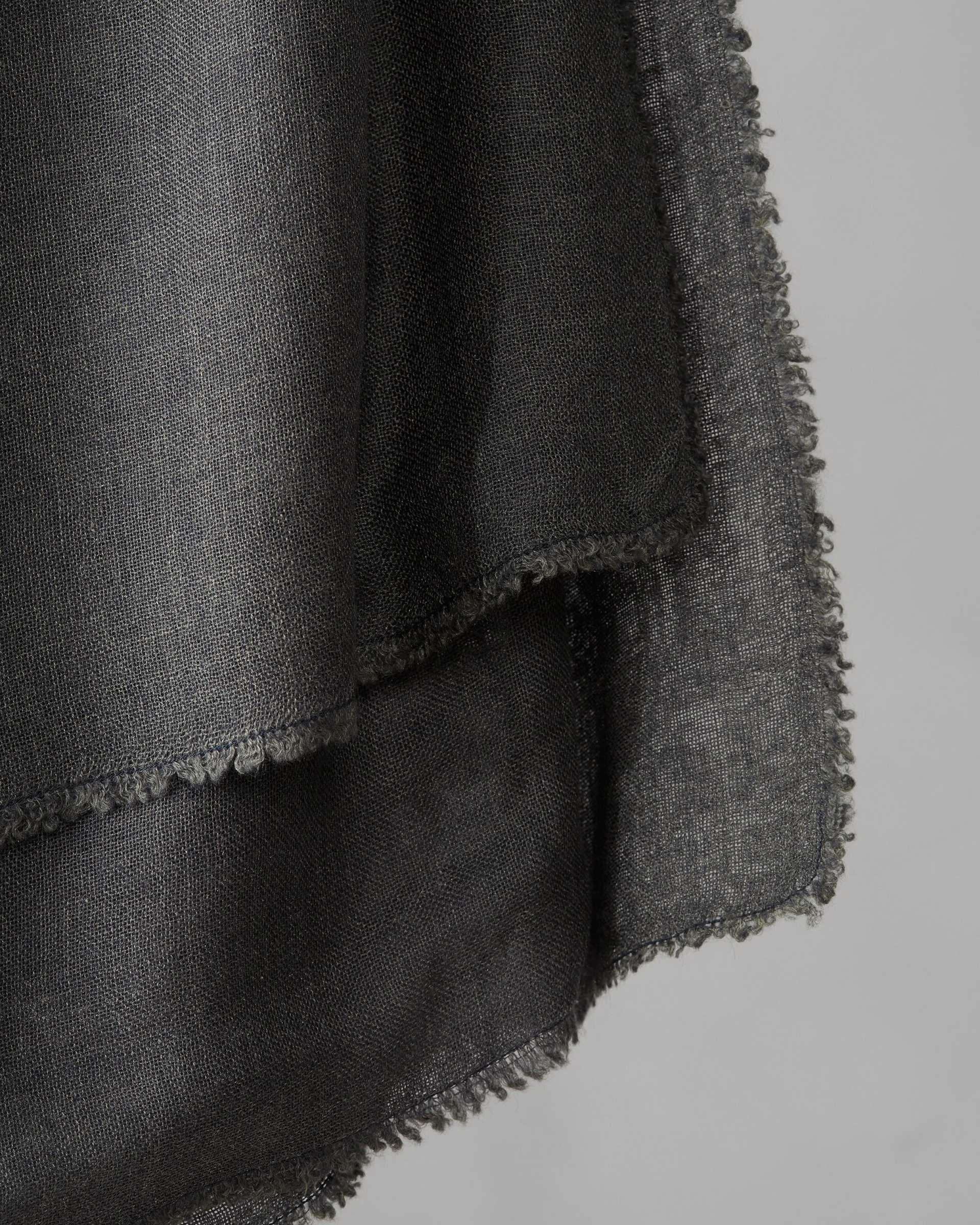
Chenille also offers visual versatility. Some cotton throws have a washed finish that gives the surface a gently puckered character. A contrasting reverse—such as a soft white backing—adds another styling option: fold the edge to reveal a quiet strip of contrast, or turn the throw over for a simpler look. A blanket stitch around the perimeter can provide a clean, color-matched finish while helping define the edge.
Because a plush surface can be more expressive than a plain weave, consider how it will interact with nearby fabrics. On a smooth sofa, chenille adds tactile contrast. Against a heavily patterned quilt or textured upholstery, a quieter color may keep the arrangement composed. The aim is not to match every surface, but to give the eye one inviting place to pause.
Knitted cotton: texture, movement, and warmth
Knits are made from connected loops rather than the interlaced threads of a woven fabric. That looped structure gives a throw flexibility and a characteristic softness. Depending on stitch and yarn, a knit may feel open and airy or compact and substantial. It can also move with the way it is draped, lending a relaxed, less tailored presence to a chair or bed.
Organic cotton knit throws can feature patterns such as ribbing, seed stitch, fishbone stitch, or cable-inspired textures. These are not merely decorative details. Stitch structure affects the surface, the fabric’s elasticity, and the way light falls across it. A ribbed or seed-stitch texture produces a more dimensional look than a plain knit, while a cable-inspired pattern creates raised lines and an association with traditional sweater-making.
Knitted cotton tends to be breathable and comfortable for layering. It can offer a useful middle ground for people who want visible texture without the warmth or weight of a thick wool blanket. Yet the very flexibility that makes a knit appealing is worth bearing in mind: some knit throws may stretch, and their size or shape can change over time. How the throw is handled, stored, and dried can help preserve its appearance.
Finishing details deserve a close look. A ribbed hem can reinforce the edge while echoing the texture of the body. A wider hem at the top and bottom may create a more pronounced frame; narrower side hems can keep the profile understated. Reversible knitting, meanwhile, offers two related faces, so the throw can be turned or folded without presenting an obvious “wrong” side.
Woven cotton: a more defined surface
Woven throws are built from crossing sets of threads, producing a surface that is generally more stable than a knit. A herringbone pattern, for instance, forms a repeated zigzag that brings movement to a room without the looseness of a large-scale motif. The pattern is created by the weave itself, making it part of the cloth’s structure rather than an added print.
Long-staple cotton is often valued for a smooth hand and durability, though the complete feel still depends on yarn, weave density, finishing, and weight. A woven cotton blanket may be an appealing choice when you want a breathable layer with a composed outline. Self-hems can give a tailored edge, while fringe introduces a more relaxed finish and a soft sense of movement.
In practical terms, woven construction may hold its proportions more consistently than a stretchy knit, although every textile can respond to wear and laundering. Check whether the design is finished with binding, a self-hem, fringe, or decorative stitching. Edges receive repeated handling, so their construction is more than a styling consideration: it affects how neatly the throw wears and how it looks when folded.
Weight, warmth, and the art of layering
Weight is an important comparison, but it is not a complete measure of warmth. Fiber, yarn structure, fabric density, and the amount of air held within the textile all contribute to how warm a throw feels. An airy knit may create a comfortable layer without much bulk. A plush chenille surface can feel cozy against the skin. A more compact weave may provide a steadier covering with a smoother fall.
When specifications include dimensions, compare them with the way you intend to use the throw. A typical sofa or bed layer should drape comfortably without dragging on the floor or becoming awkward to fold. If it is mainly for a chair, a smaller, lighter piece may be easier to keep in place. For a shared sofa or the foot of a bed, generous coverage may matter more than a very compact fold.
Think in terms of a home wardrobe rather than a single all-purpose blanket. A lightweight cotton throw can bridge the seasons, while a thicker knit or a fiber blend may feel more comforting in a cold room. The best layer is the one that meets the climate and habits of the household—not simply the one that looks warmest in a product description.
- For a relaxed, tactile accent: consider chenille or a dimensional knit.
- For a tailored look: explore woven designs and clean, structured hems.
- For flexible layering: look for breathable cotton and a manageable weight.
- For a pronounced pattern: compare the texture created by the stitch or weave, not only the color.
These are starting points, not rules. A textured throw can still look refined, and a woven blanket can be wonderfully soft. The details work together; no single construction tells the whole story.
Hems, reversibility, and the finished edge
The edge is where a throw meets the room. A neat hem gives a piece a crisp outline, helping it look deliberate when folded over a sofa arm. Fringed ends add movement and a casual note. A blanket stitch can emphasize the perimeter without adding a separate border. Each finish changes the overall impression, even when the main fabric remains the focus.
Reversible finishes are especially useful in everyday interiors. A two-sided design can give you a choice between a patterned face and a quieter reverse, or simply make the throw more forgiving when casually draped. When a knit is reversible, texture may read differently as the fabric turns, creating subtle variation rather than a stark contrast.
Consider how you usually style blankets. If you like a precise fold, a stable weave and clean hem may suit the look. If you prefer a soft, tossed-over effect, a supple knit or fringed finish can feel more natural. There is no hierarchy between polished and relaxed; the right edge is the one that belongs in your space and stands up to its use.
Care begins with the fiber blend
Care instructions are part of a throw’s character, not an afterthought. A cotton throw may be washable, but the appropriate method depends on its construction, finish, and any additional fibers. A gentle machine wash is often suitable for specified organic cotton throws, while a delicate knit may benefit from extra restraint in the washer and dryer. Always follow the care label for the exact piece; general guidance cannot replace its instructions.
For throws marked machine washable, a cold, gentle cycle with like colors can help limit unnecessary stress on the fabric. Avoid crowding the drum, since a textile needs room to move through the wash. If the label permits tumble drying, low heat and prompt removal are commonly recommended. High heat can be hard on fibers and may encourage unwanted changes in shape or texture. A warm iron may be an option for some cotton pieces, but only when the care directions allow it.
Knitted fabrics deserve particular attention because their looped construction may stretch. Remove a knit promptly from the dryer if low tumble drying is permitted, and avoid pulling it into shape while it is wet. For storage, fold rather than hang a flexible knit for long periods; the weight of the fabric can draw it out of proportion. Between washes, airing a throw and spot-cleaning a small mark when appropriate may reduce the need for frequent laundering.
Blends require a different calculation. A throw containing alpaca and cotton, for example, cannot automatically be treated like a 100% cotton throw. One alpaca-cotton knit throw in the available textile range specifies dry cleaning, while another alpaca-cotton blanket description gives cold, gentle machine-washing guidance. That difference is a useful reminder: fiber names alone do not establish a care routine. Construction and the manufacturer’s instructions matter, and the label on the specific item should always take precedence.
Washing too often can accelerate wear, even for durable household textiles. Use a washable throw freely, but wash it when it needs cleaning rather than by habit. Keep it away from rough zippers or hooks during laundering, and do not leave it damp in the machine. These small measures help preserve surface texture, color, and shape.
Organic cotton and responsible comparisons
Organic cotton is a meaningful specification to understand, but it does not describe the throw’s weight, softness, or construction on its own. Certification details can indicate that a product meets defined standards, while the stitch, yarn, weave, and finishing determine many of the qualities you notice in use. Read these as complementary pieces of information rather than interchangeable claims.
For a useful comparison, examine the complete material description. Is the throw 100% cotton, or does it combine cotton with another fiber? Is the cotton identified as organic? Does the listing specify a certification? What is the place of origin, and what care method is required? The answers help clarify both the textile’s character and the effort involved in maintaining it.
It is also worth keeping the question practical. A piece with a care routine that suits your household is more likely to be used often and kept in good condition. A delicate blend may be an appealing occasional layer, while an easy-care cotton throw may be better for a busy living room. Neither is inherently the better choice; they serve different routines.
A considered checklist before choosing
When comparing Coyuchi cotton throws, take a moment to read past the opening description and look for the specifications that affect everyday use. The following checklist can make the decision more precise:
- Fiber content: confirm whether the piece is pure cotton or a blend, and note any organic or certification details provided.
- Construction: distinguish chenille, knit, and woven structures; each offers a different surface and drape.
- Texture: look for stitch names, pile, washed finishes, or reversible details that explain the hand and appearance.
- Weight and dimensions: consider the intended room, season, and coverage rather than relying on “cozy” as a measure.
- Edge finishing: compare hems, binding, blanket stitching, and fringe for both appearance and handling.
- Care: check washing temperature, cycle, drying method, ironing guidance, and any dry-clean-only instruction.
- Shape retention: note whether the description says a knit can stretch or change size with use.
One useful habit is to imagine the first wash before buying. If a throw will live on a sofa that sees daily use, care that fits your regular routine may be as important as color or texture. If it is intended for a guest room or a quiet reading corner, a more specialized routine may feel entirely reasonable.
The final layer
A well-chosen throw does more than add warmth. It brings a room’s textures into conversation, softens a hard edge, and gives a sofa or bed a sense of ease. Cotton chenille offers plushness and a softly dimensional surface; knitted cotton brings flexibility, stitch detail, and a relaxed drape; woven cotton tends toward a more defined pattern and outline. Finishes—from a clean hem to a fringed edge—complete the effect.
To choose thoughtfully, balance the look you love with the way you live. Compare fiber content, construction, weight, dimensions, and care instructions as a single set of decisions. That attention makes it easier to find a throw that feels at home in your space and remains a pleasure to use, season after season.