Nursery textiles · A practical guide
Nursery Knits: How to Choose Breathable Layers for Changing Seasons
A thoughtful nursery wardrobe is less about collecting layers than choosing the right one for the moment. Fiber, stitch, fit and care all shape how a knit feels against delicate skin—and how comfortably it serves through shifting temperatures and everyday routines.
There is an unmistakable appeal to a knitted nursery: the softly defined texture, the gentle stretch, the sense of warmth without the formality of a heavy quilt. Yet the most useful baby knits are not chosen by appearance alone. A blanket meant for a parent’s arms, a layer for a supervised stroller outing and a wearable sleep garment have different purposes. Understanding those distinctions is the first step toward a nursery collection that feels both considered and practical.
For changing seasons, breathable layers offer flexibility. Rather than relying on one thick textile to do everything, caregivers can choose pieces that work in specific settings and adjust clothing to the room, weather and baby’s needs. Cotton, knit structure, garment design and laundering instructions each contribute to that decision. The result can be a calm, cohesive set of essentials—soft to touch, straightforward to care for and used with appropriate attention to infant safety.
Begin with the purpose of the knit
Before comparing colors or stitches, ask where and how the item will be used. A baby blanket may be useful for supervised cuddling, a stroller outing or a changing surface when an adult is present. It is not a substitute for a safe sleep space. For sleep, current safe-sleep guidance recommends placing babies on their backs on a firm, flat surface with no loose blankets or other soft objects in the sleep area. A wearable sleep sack designed for the child’s size and used according to its instructions can provide a layer without leaving a loose blanket in the crib.
That distinction is practical as well as important: a knitted blanket can be lovely and useful without being treated as bedding for an infant’s sleep. Keep it within reach for supervised use, and remove it from the sleep space before putting a baby down. Caregivers should follow advice from their pediatric health professional and applicable safe-sleep recommendations, especially when a baby has particular health needs or was born prematurely.
Sleep sacks are garments, not blankets with a different name. Fit matters: check the manufacturer’s sizing guidance and make sure the neck opening and armholes are appropriate, so the garment cannot ride up over the face. Choose a design intended for the baby’s age and stage, and do not add weighted items or layers that the product’s instructions do not recommend. If a child can roll or is reaching a new developmental stage, consult the sleep sack guidance and safe-sleep advice rather than relying on assumptions about a familiar garment.
Fiber: a feel, a function and a care decision
Fiber content is a useful place to start when evaluating organic cotton baby knits. Cotton is often valued for its soft hand and breathable feel. It is also familiar in everyday textiles and can be a practical choice for pieces that need frequent washing. The word “organic,” however, describes how a fiber is produced under a standard; it does not by itself establish that an item is suitable for every baby, every temperature or every use. Read the full product information, including construction, certifications and care directions.
Some products carry certifications such as GOTS, the Global Organic Textile Standard. A certification can offer information about specified production and processing criteria, but it is not a replacement for checking the item’s fit, intended use or laundering requirements. For caregivers comparing baby blankets and sleep sacks, the most useful questions remain concrete: What is the material? How is it made? Is the garment intended for sleep? How should it be cleaned? Does its size suit the baby now?
Blends can behave differently from pure cotton. A textile containing wool, for example, may feel warmer or have a more substantial hand than a lighter cotton knit. That does not make one fiber universally better; it makes the intended setting and the baby’s clothing underneath more relevant. A cardigan or blanket used for a cool-weather walk is not automatically an appropriate sleep layer. Keep wearable sleep clothing and decorative or outing layers distinct, and use the care label as the authority for maintenance.
The quiet influence of knit structure
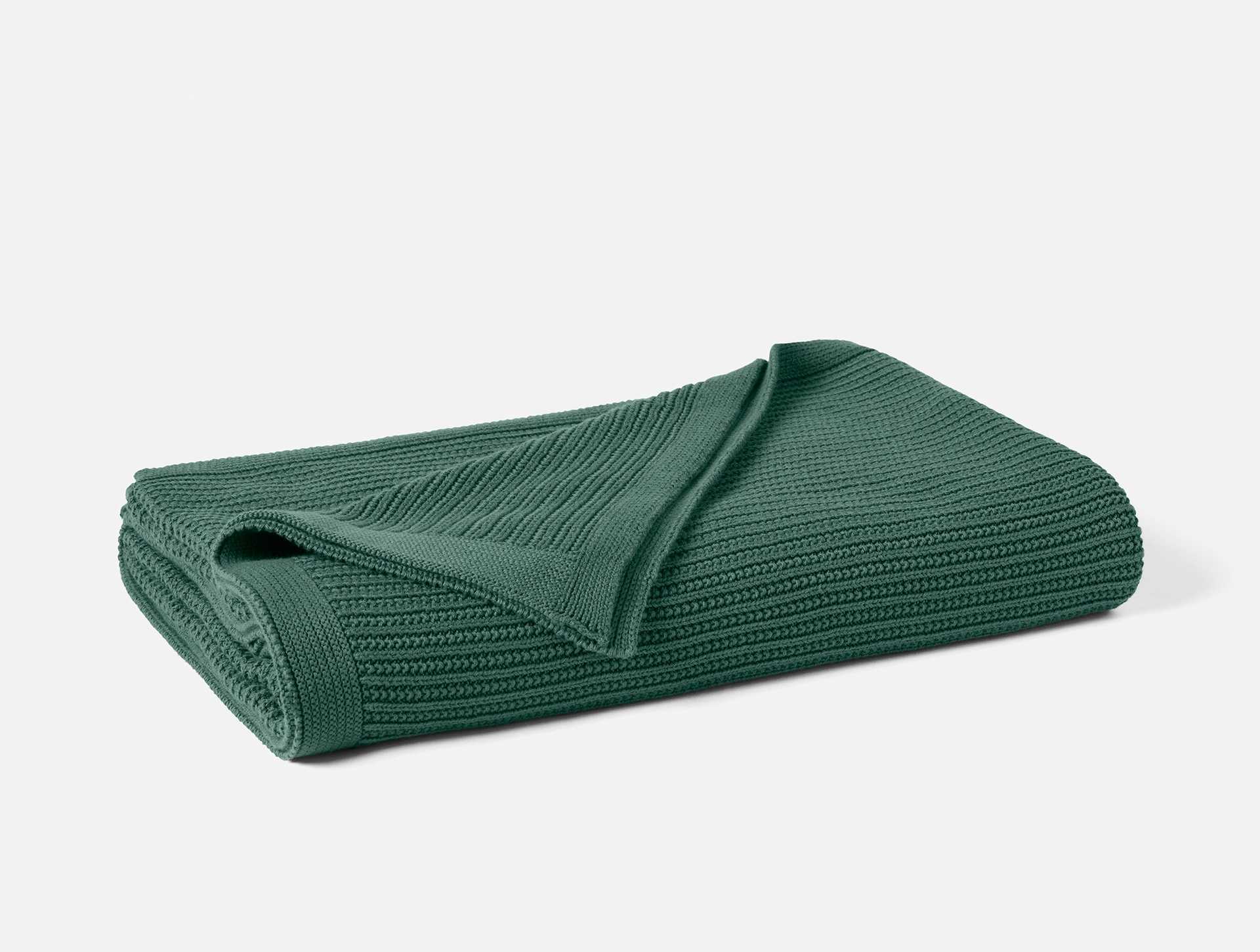
Two pieces made from the same fiber can feel quite different. Stitch pattern, yarn thickness, density and finishing affect drape, stretch and the amount of air moving through a fabric. A compact knit may feel more substantial; an open or lighter construction may feel less insulating. Ribbing adds stretch and recovery along edges or cuffs, while textured stitches create a more pronounced surface. These are not merely decorative distinctions: they shape how a piece handles, folds and wears.
For baby blankets, consider how the knit behaves when lifted, folded and washed. Does it feel flexible without seeming fragile? Are edges finished neatly? Could a loose yarn or long loop catch on fingers, toes or clothing? Regularly inspect knitted items for damage, and retire a piece if it develops loose threads or weakened areas. Texture can be beautiful, but a calm, durable construction often proves most useful in a busy nursery.
For a sleep sack, prioritize the garment’s intended function and fit over a particular stitch effect. Read its construction details and instructions carefully. A ribbed surface may contribute stretch or visual texture, but it does not establish warmth level or safe fit on its own. If a product gives a temperature range or layering guidance, follow that information and consider the room conditions; avoid adding layers simply because a fabric looks light.
Layering as the weather changes
Seasonal dressing works best as a series of small, deliberate choices. A nursery can feel different from a drafty hallway, a sunny window or the street outside. Think of the baby’s base clothing, the room environment and any additional layer together. A breathable cotton outfit may be sufficient indoors, while a supervised outing could call for an extra garment suited to the conditions. The blanket used to cover a caregiver’s lap during cuddling should not remain loose around a sleeping baby.
There is no single textile formula that suits every home or child. Room temperature, the baby’s clothing and individual circumstances all matter. Check the baby regularly for signs of being too warm or too cool, and seek guidance from a healthcare professional if unsure. Avoid using a knit’s perceived thickness as the only measure of warmth. A lofty-looking stitch, a dense weave and a garment’s fit can all affect how a layer feels in use.
For families in cities such as New York, seasonal change can arrive in uneven chapters: a mild afternoon, a cool evening and a brisk commute can all fall within one day. A small, adaptable wardrobe is often more useful than a large collection of specialized pieces. Keep a supervised-use blanket available for appropriate moments, and choose sleepwear separately for rest. A cardigan can be handy for an adult-held outing, while a sleep sack should be selected according to its own sizing and care guidance.
Everyday care: softness that lasts
Frequent laundering is part of life with a baby, so care instructions deserve a place in the buying decision. Machine-washable organic cotton knits can be convenient for regular use, but the details matter: water temperature, cycle, detergent guidance and drying method may all affect the fabric. Follow the label rather than assuming that every cotton knit can be treated identically.
Gentle washing can help preserve shape and texture. Fasten closures where appropriate, wash like colors together and avoid overloading the machine so knits have room to move. If the label specifies a cold, gentle cycle, use it. When tumble drying is permitted, follow the recommended heat setting and remove the item promptly. High heat or rough handling may contribute to shrinkage, stretching or a change in surface feel.
After washing, reshape a knit according to its construction and lay it flat if the care directions call for that approach. Hanging a wet, stretchy piece can pull it out of shape. Store clean items dry and away from excessive moisture. It is also sensible to check buttons, seams, hems and any decorative details after laundering. A small repair may extend the useful life of a garment, while a damaged item should not be used around a baby until it is safe and secure again.
Comparing blankets, gift sets and sleep sacks
When evaluating organic cotton baby blankets, begin with dimensions and intended use. A blanket may be designed for supervised cuddling or as a practical layer for a caregiver to carry, rather than for unsupervised sleep. Consider whether the size is easy to fold and pack, whether the knit feels comfortable against skin and whether its care instructions suit the household’s routine.
A baby gift set can be appealing because it brings complementary pieces together, such as a blanket and beanie. Check each component separately: fiber content, size, care instructions and the occasions for which it is suitable. A coordinated set is not necessarily a complete wardrobe, and a blanket included in a gift set still follows the same safe-use distinction as any other loose blanket. Use it only in appropriate supervised settings, not as loose bedding in an infant’s sleep space.
For a sleep sack, look beyond color and softness. Confirm the recommended size, closure design and age or developmental guidance. Check whether the garment is designed for a particular season or temperature range, and dress the baby in accordance with its instructions. A product description should make clear that it is a wearable sleep layer; if the intended use is unclear, ask the maker or retailer before using it for sleep.
Care labels also help reveal how practical an item may be in daily rotation. A beautiful knit that requires delicate handling may suit occasional use, while a machine-washable piece may be easier to keep close at hand. Neither choice is inherently superior. The right one is the piece whose use, care and construction align with the family’s real routines.
A considered nursery checklist
- Define the use. Separate supervised blankets and outing layers from wearable garments intended for sleep.
- Read the fiber details. Note whether the knit is cotton, a blend or another material, and treat certification claims as information to verify rather than a substitute for fit and use guidance.
- Assess the construction. Look at stitch density, stretch, edges, closures and the overall finish.
- Check fit and sizing. This is especially important for sleep sacks; use the manufacturer’s guidance and reassess as the baby grows.
- Choose for your care routine. Confirm washing and drying instructions before making an everyday item part of the rotation.
- Inspect regularly. Look for loose threads, worn seams, damaged closures or changes in shape.
- Keep sleep practices clear. Follow current safe-sleep recommendations and keep loose blankets and soft objects out of the infant sleep space.
The lasting appeal of useful softness
The best nursery knits bring comfort and clarity together. A breathable cotton blanket can be a reassuring companion during supervised closeness; a well-fitted sleep sack can serve as a wearable layer when used according to its instructions; a carefully chosen gift set can make everyday dressing feel considered. Each has a role, but none needs to do everything.
Choose with an eye for fiber, texture and care, then let the intended use guide the final decision. That approach keeps the nursery wardrobe uncomplicated and helps each piece earn its place: soft enough for daily life, practical enough to wash, and selected with the baby’s comfort and safety at the center. In a seasonally shifting home, that is the quiet luxury of a thoughtful knit.